1839 Project - Obscura
Welcome to the 1839 Project - Obscura
1839 marked both the first Henley Royal Regatta and the birth of modern photography
As a professional photographer, most of my work is created using modern digital cameras, capable of capturing hundreds (sometimes thousands!) of images in a day at events like Henley Royal Regatta. Photographs can be viewed instantly, edited within minutes and delivered to clients around the world moments later. This process offers none of that certainty, echoing the earliest days of photography when images were formed slowly over time rather than captured instantly. (skip straight to the results Click here)
This project uses a series of pinhole cameras to record Henley Royal Regatta as a collection of week-long exposures.
Slowing Photography Down
In contrast to capturing many photographs a second, these cameras record one photograph over the whole week. Something never tried before.
If you have just scanned the QR code, the container you have found is one of those cameras.
Made from an upcycled drinks can, it contains no lens, no batteries, no electronics and no screen. Just a tiny pinhole and a sheet of light-sensitive photographic paper hidden inside.
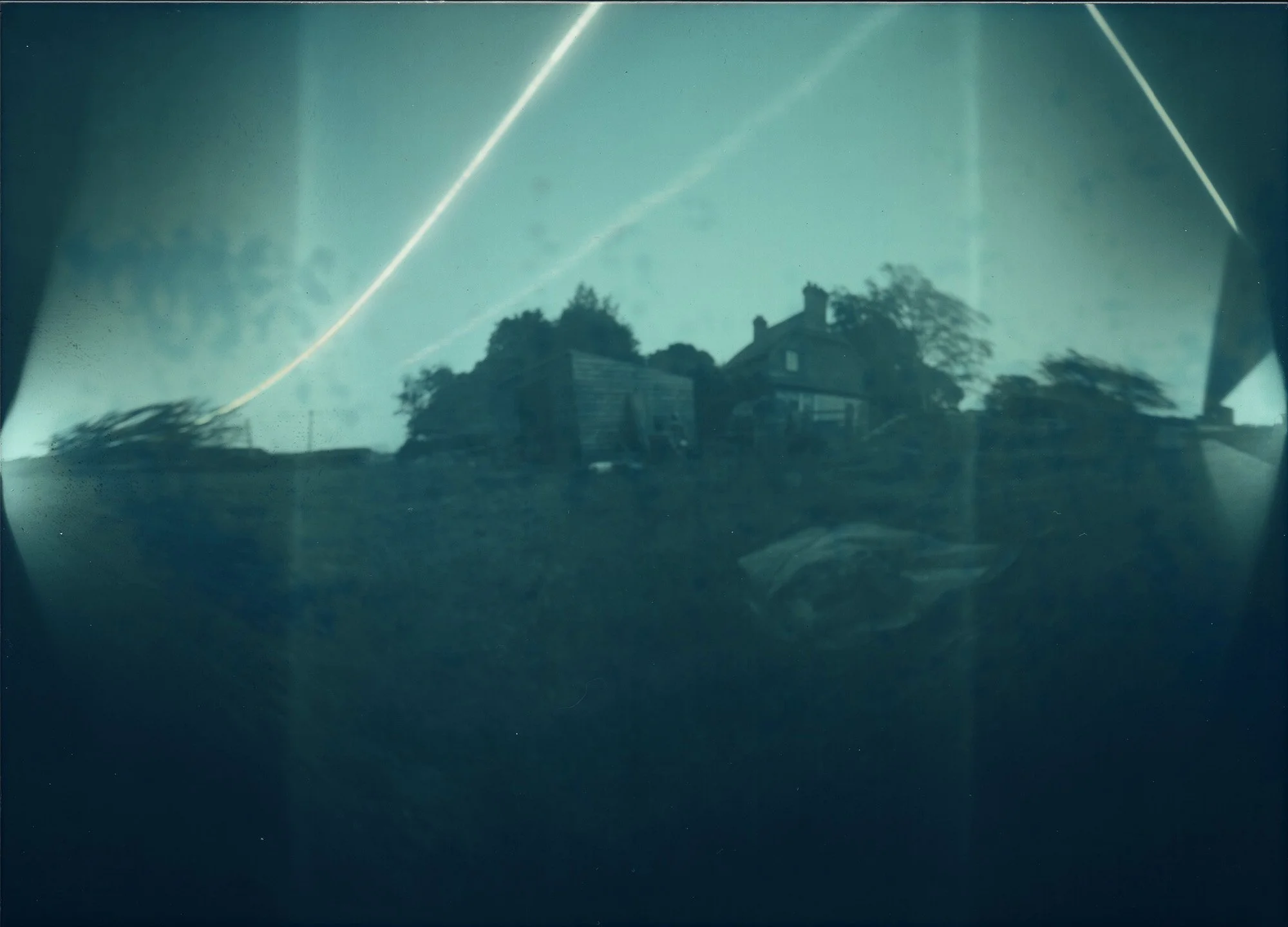
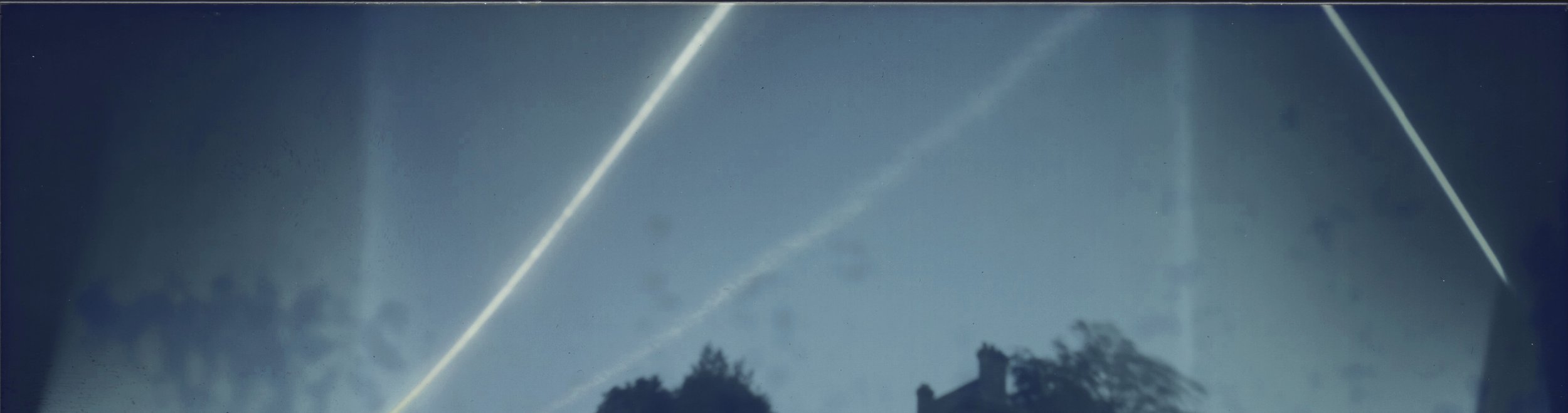
The tiny hole on the front allows light to slowly build an image on the photographic paper over the course of the regatta. This process, known as solargraphy, records the full week of racing, weather, spectators and movement in a single photograph *.
In an age of instant images, these photographs take the full Regatta Week to make and won't be seen until the cameras are recovered and opened at the end of the regatta. Only then will we discover what they have recorded—and whether the experiment has been successful.
The result is part photography, part experiment and part time capsule, what comes back at the end is entirely unknown — shaped by time, weather, movement and chance, what I do know is it will be a truly unique visual record of Henley Royal Regatta.
Acknowledgement: My sincere thanks to Henley Royal Regatta for granting permission to install the pinhole cameras that made this project possible.
*If you want to appear in the photograph you have to stand in one spot, staying perfectly still…for 6 days!
Check back after the regatta to see the results!
-
A camera obscura is the earliest form of camera, using a darkened space and a small hole to project an inverted image of the outside world onto a surface inside. It formed the basis of early photographic experiments
-
Solargraphy is a form of extremely long-exposure photography that records the passage of time rather than a single moment. The final image is often called a Solargram.
Light slowly builds an image directly onto light-sensitive photographic paper inside the camera over days or weeks. In this case, the entire Henley Royal Regatta becomes one exposure.
-
Each camera is made from two drinks cans cut in half, made lightproof and sealed shut with a tiny pinhole - instead of what we would normally think of as a lens.
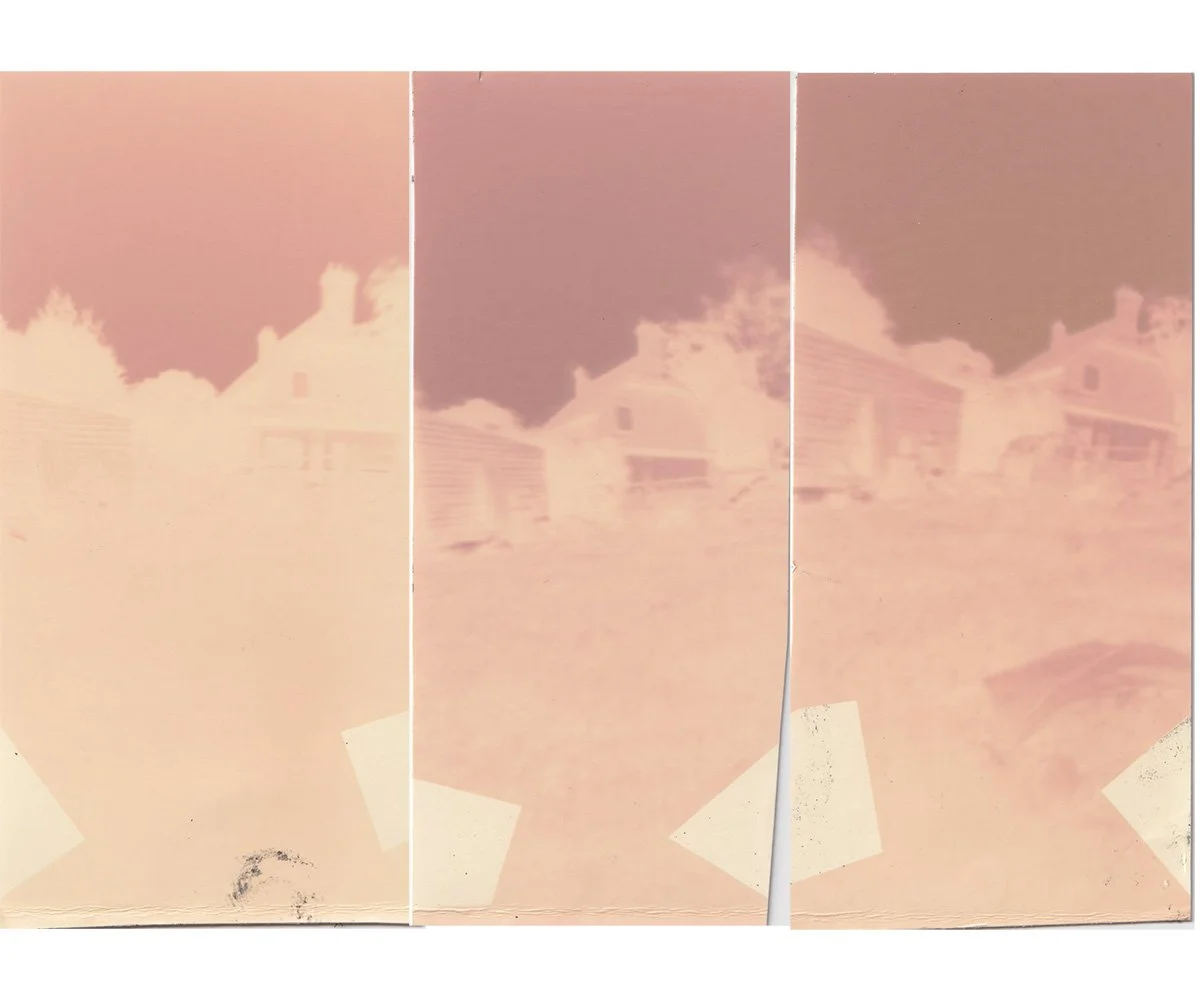
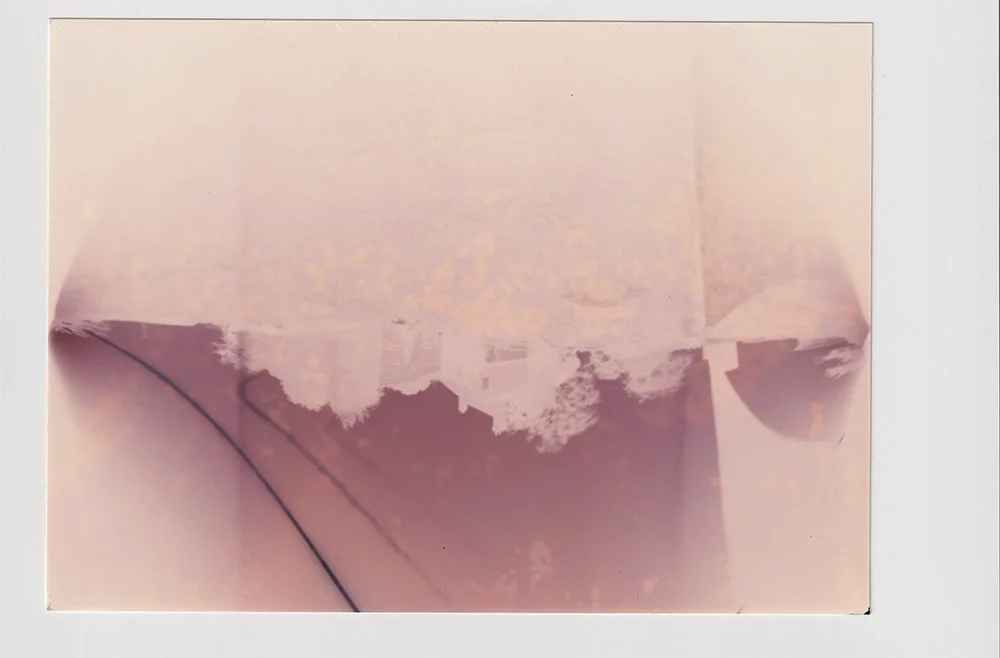
Inside is a sheet of photographic paper. As light enters through the pinhole, it gradually exposes the paper over the course of the week, recording changes in light, movement and weather in a single image.
There is no shutter, no power source, and no way to check the image until the camera is recovered and processed.
-
That’s the unpredictable part.
The result is shaped by everything that happens in front of the camera during the regatta — sun, rain, boats, crowds, shadows, even complete stillness.
Some areas may appear clear, others blurred or abstract. Each camera will record the same event, but no two results will be identical.
-
After the Regatta has finished the cans will be collected to then be opened to retrieve the photographic papers within.
-
Once scanned and corrected the final results will be shared here. Please come back after the regatta to see the results.
-
Great! Get in touch here and I’d be happy to chat